The charm of Kadi jokes in Tamil comes from their ability to hold the reader’s attention with clever twists. Each joke sets up a situation familiar to the audience, building anticipation for an unexpected punchline. This element of surprise, combined with local cultural references, keeps readers engaged.
In addition, the humor in Kadi jokes in Tamil often addresses relatable social and family situations, making the content both entertaining and meaningful. As digital content dominates today’s entertainment landscape, these jokes are shared as memes, reels, and text-based posts, ensuring their widespread popularity. By combining wit, cultural insight, and playful exaggeration, Kadi jokes in Tamil continue to amuse, educate, and connect audiences.
Laughter is universal, but nothing connects people quite like Kadi jokes in Tamil. These jokes are a staple of Tamil humor culture, blending sharp wit, cultural references, and playful exaggeration to create unforgettable moments of amusement. Unlike generic jokes, Kadi jokes in Tamil capture local quirks, everyday life, and relatable situations that resonate deeply with audiences.
Their humor often relies on clever wordplay, punchlines, and social observations, making them not just funny but also intellectually satisfying. In today’s digital world of memes, reels, and social media sharing, these jokes have found new life online, spreading joy far beyond traditional gatherings. Whether you are a fan of Tamil comedy, storytelling, or witty banter, Kadi jokes in Tamil remain a timeless source of entertainment.
Kadi jokes in Tamil are short, witty, and often satirical jokes rooted in Tamil language and culture. They range from playful teasing to sharp social commentary, making them appealing to audiences of all ages. The term “Kadi” typically refers to humor that is bold, clever, and sometimes sarcastic, yet always entertaining.
The appeal of Kadi jokes in Tamil lies in their ability to reflect local life, relationships, and cultural nuances. They are widely shared in conversations, social media, and stand-up comedy routines, making them an integral part of contemporary Tamil humor. This article explores the essence of Kadi jokes in Tamil, their types, key elements, benefits, challenges, and how to create them responsibly for maximum entertainment.
Understanding Kadi Jokes in Tamil
Kadi jokes in Tamil are a unique form of humor that combines witty wordplay, cultural references, and playful exaggeration. The term “Kadi” in Tamil literally means “sharp” or “spicy,” which perfectly describes the nature of these jokes they are bold, clever, and often carry a subtle punch that surprises the audience. Unlike generic jokes, Kadi jokes in Tamil are deeply rooted in local traditions, dialects, and everyday life, making them highly relatable to Tamil-speaking audiences.
These jokes often rely on double meanings, situational comedy, and satire, allowing the audience to engage their imagination and derive humor from clever implication rather than explicit content. Kadi jokes in Tamil can be shared in casual conversations, social gatherings, or digital platforms like WhatsApp, Instagram, and memes, making them versatile and widely appreciated.
The charm of Kadi jokes in Tamil lies in their ability to entertain while reflecting local culture and societal quirks. They are not just about eliciting laughter, they also highlight social observations, everyday struggles, and cultural nuances in a humorous and memorable way. Mastering Kadi jokes in Tamil requires understanding language subtleties, timing, and audience preferences to ensure the humor remains impactful, enjoyable, and respectful.
Types of Kadi Jokes in Tamil
Here are the main types of Kadi jokes in Tamil, explained clearly with points:
1. Wordplay Jokes
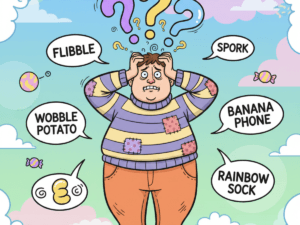
- Clever puns and double meanings in Tamil
- Humor arises from linguistic twists
- Often short and punchy
2. Situational Jokes
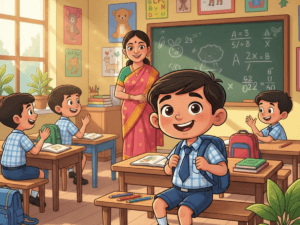
- Based on everyday scenarios like school, family, or office
- Relatable and easy for audiences to understand
- Exaggeration adds comic effect
3. Dialogue Based Jokes
- Short conversations ending with a witty punchline
- Often sarcastic or teasing
- Works well in spoken humor
4. Exaggeration Humor
- Normal incidents turned dramatically bold
- Absurd scenarios create laughter
- Highlights imaginative storytelling
5. Social Commentary Jokes
- Subtle satire on society, culture, or local habits
- Cleverly delivers humor while provoking thought
- Often shared digitally as memes or posts
6. Desi Local Jokes
- Based on regional culture, traditions, and dialect
- Highlights Tamil lifestyle in a humorous way
- Very relatable for native audiences
7. Meme-Style Jokes
- Short, visual, and digital-friendly
- Perfect for social media sharing
- Combines images and text for quick impact
Each type focuses on bold, clever humor while maintaining cultural relevance, relatability, and audience engagement.
Key Elements of Effective Kadi Jokes in Tamil
Creating effective Kadi jokes in Tamil requires a combination of creativity, cultural understanding, and precise delivery. Here are the key elements that make these jokes memorable and engaging:
1. Relatable Contexts
- Jokes based on everyday Tamil life, family, school, or workplace scenarios
- Relatability makes humor more impactful and enjoyable
2. Clever Wordplay
- Use of puns, double meanings, and linguistic twists in Tamil
- Smart language manipulation adds depth and wit
3. Strong Punchlines
- The joke must end with a sharp, unexpected, or humorous twist
- Timing and structure are crucial for maximum impact
4. Exaggeration
- Normal situations are dramatized for comedic effect
- Creates absurdity that enhances humor without being offensive
5. Cultural References
- Incorporating Tamil traditions, dialects, local habits, and social norms
- Helps the audience immediately connect and laugh
6. Timing and Delivery
- Pauses, tone, and emphasis determine the joke’s effectiveness
- Especially important for spoken jokes or video content
7. Respectful Boundaries
- Avoid sensitive topics like religion, caste, or personal trauma
- Maintains professionalism while keeping the humor bold
When these elements are combined thoughtfully, Kadi jokes in Tamil become not only funny but also culturally rich, memorable, and widely appreciated across generations.
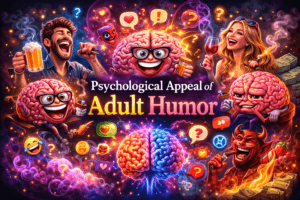
Psychological Appeal of Kadi Jokes in Tamil
Kadi jokes in Tamil are more than just humor they have a profound psychological impact that explains their enduring popularity. Here’s why these jokes resonate with audiences:
1. Stress Relief
- Laughter from Kadi jokes in Tamil helps reduce cortisol levels
- Provides an emotional release and boosts mood
2. Curiosity and Surprise
- Clever punchlines and wordplay engage the brain
- Unexpected twists stimulate curiosity and delight
3. Social Bonding
- Sharing Kadi jokes in Tamil strengthens friendships and group cohesion
- Creates shared laughter and a sense of belonging
4. Cognitive Engagement
- Double meanings and puns require mental processing
- Audiences enjoy the satisfaction of “getting” the joke
5. Cultural Identity and Pride
- Reflecting Tamil traditions, dialects, and daily life reinforces cultural connection
- Audiences feel a sense of pride and relatability
6. Confidence and Communication Skills
- Telling witty Kadi jokes in Tamil enhances public speaking and conversational skills
- Encourages creativity and quick thinking
The appeal of Kadi jokes in Tamil lies in their ability to combine humor with mental stimulation, social connection, and cultural relevance. When executed well, they entertain, educate, and foster emotional and social well-being simultaneously.
Digital Influence on Kadi Jokes in Tamil
The rise of digital platforms has transformed the way Kadi jokes in Tamil are created, shared, and consumed. Social media, messaging apps, and video-sharing platforms have amplified the reach and popularity of these jokes, making them a key part of online Tamil humor culture.
1. Short-Form Content
- Kadi jokes in Tamil are now adapted into memes, reels, and TikTok-style videos
- Quick, punchy jokes capture audience attention instantly
2. Viral Sharing
- WhatsApp, Instagram, and Facebook allow rapid sharing of humorous content
- Visual formats, such as images and short clips, enhance engagement
3. Global Audience
- Digital platforms expose Kadi jokes in Tamil to Tamils living abroad
- Cultural humor travels beyond regional boundaries
4. Creativity and Innovation
- Digital tools enable combining visuals, text, and sound for maximum impact
- Creators experiment with animation, graphics, and short video formats
5. Community Engagement
- Audience feedback through likes, comments, and shares influences joke creation
- Popular formats and punchlines are quickly replicated or adapted
6. Challenges of Online Sharing
- Oversharing or misinterpretation can lead to controversy
- Platforms may impose content restrictions
Digital influence ensures that Kadi jokes in Tamil remain contemporary, highly shareable, and engaging, while also pushing creators to innovate and maintain cultural relevance in a fast-paced online environment.
How to Write Kadi Jokes in Tamil Professionally
Writing Kadi jokes in Tamil professionally requires creativity, cultural understanding, and a careful balance between boldness and respect. The goal is to craft humor that is witty, relatable, and entertaining without crossing boundaries.
1. Know Your Audience
- Understand age, social context, and comfort level with humor
- Adjust boldness and language accordingly
2. Use Clever Wordplay
- Incorporate puns, double meanings, and linguistic twists in Tamil
- Play on common phrases or idioms for comedic effect
3. Relatable Situations
- Draw from everyday Tamil life, such as family dynamics, school, work, or social quirks
- The more relatable the setup, the stronger the punchline
4. Focus on Timing and Delivery
- Proper pauses, tone, and emphasis enhance impact
- For digital content, visual cues and text placement improve clarity
5. Subtlety Over Explicitness
- Suggestive humor works better than graphic content
- Let the audience imagine the punchline rather than stating it directly
6. Edit and Refine
- Remove unnecessary words or details
- Ensure punchlines are concise, clear, and impactful
7. Respect Cultural Boundaries
- Avoid sensitive topics like religion, caste, or personal trauma
- Maintain humor that is bold but socially responsible
By combining these techniques, writers can create Kadi jokes in Tamil that are clever, memorable, and professionally crafted, appealing to a wide audience while retaining cultural relevance.
Common Mistakes to Avoid
Creating Kadi jokes in Tamil requires skill, cultural awareness, and careful wording. Here are some common mistakes that creators should avoid to maintain humor without offending the audience:
1. Overusing Offensive Language
- Relying too much on vulgarity can make jokes unpleasant
- Bold humor should not equal crudeness
2. Targeting Individuals Personally
- Avoid mocking or humiliating specific people
- Jokes should be situational, not personal attacks
3. Ignoring Cultural Sensitivities
- Disregarding religion, caste, or traditional practices can lead to backlash
- Maintain respect while keeping humor playful
4. Over-Exaggeration
- Excessive dramatization can make the joke confusing or forced
- Balance exaggeration with relatability
5. Using Clichés
- Repeating predictable punchlines reduces impact
- Fresh perspectives and creativity are key
6. Making Jokes Too Long
- Lengthy setups can dilute the punchline
- Keep Kadi jokes in Tamil concise and clear
7. Lack of Audience Awareness
- Not considering the audience’s comfort level may lead to misunderstanding
- Adapt jokes to context and platform
Avoiding these mistakes ensures that Kadi jokes in Tamil remain entertaining, relatable, and professional, creating laughter without causing discomfort or controversy.
Benefits of Kadi Jokes in Tamil
Kadi jokes in Tamil offer more than just laughter; they provide a range of social, psychological, and cultural benefits. Here are the key advantages:
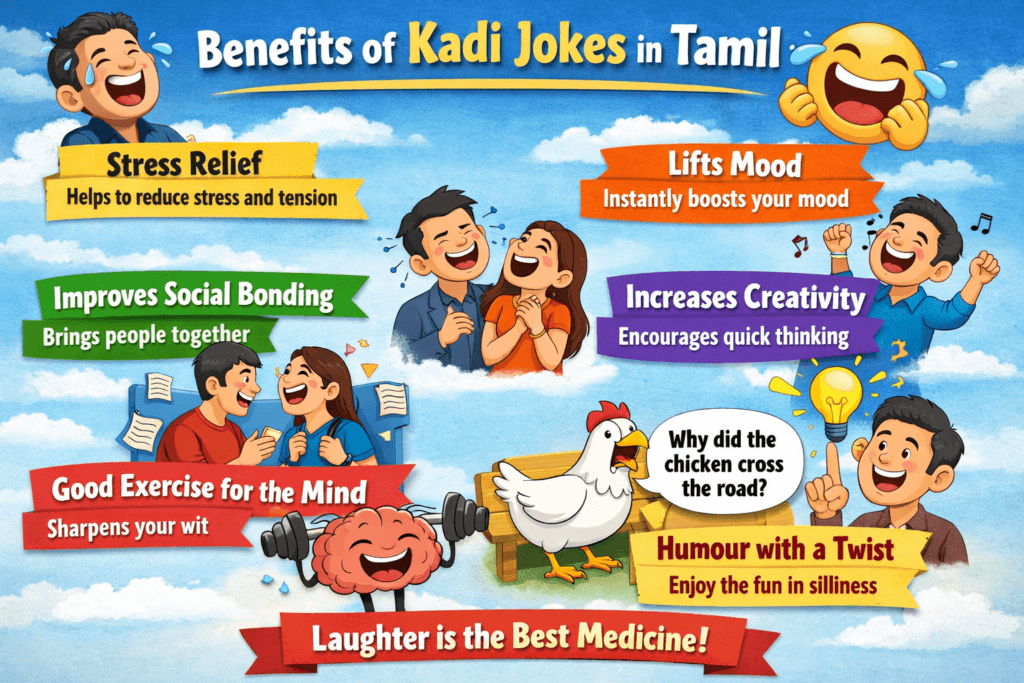
1. Stress Relief
- Laughter from Kadi jokes in Tamil reduces stress and improves mood
- Acts as a natural emotional release
2. Social Bonding
- Sharing jokes strengthens friendships and community ties
- Encourages group laughter and shared enjoyment
3. Cultural Connection
- Highlights Tamil language, traditions, and local nuances
- Reinforces cultural pride and identity
4. Cognitive Engagement
- Wordplay, puns, and clever punchlines stimulate the brain
- Enhances creativity and mental agility
5. Entertainment Across Generations
- Appeals to both young and older audiences
- Connects people through humor despite age differences
6. Enhances Communication Skills
- Telling witty Kadi jokes in Tamil improves conversational confidence
- Helps develop timing, tone, and expressive storytelling
7. Promotes Relatability
- Jokes based on daily life and social situations make humor meaningful
- Encourages empathy through shared experiences
By combining humor, culture, and social relevance, Kadi jokes in Tamil entertain audiences while promoting emotional well-being, creativity, and social cohesion. They are a timeless tool for laughter and connection.
Challenges of Kadi Humor
- While Kadi jokes in Tamil are highly entertaining and culturally engaging, this style of humor comes with several challenges that creators must navigate carefully. One of the primary difficulties is audience sensitivity. What is considered funny in one group may be offensive or misunderstood in another, especially when dealing with bold or satirical content. Understanding cultural and social boundaries is essential to ensure humor does not alienate or upset the audience.
- Another challenge is balancing boldness with subtlety. Overly explicit or crude jokes can reduce the cleverness and charm of Kadi humor, while underplayed jokes may fail to create impact. Timing and delivery are also critical; poor execution can make even the smartest joke fall flat.
- Digital sharing adds additional complexity. Social media platforms often have strict content guidelines, and jokes that push boundaries may be flagged or removed. Additionally, the fast-paced nature of online content can lead to oversaturation, where repetitive or poorly crafted jokes lose their appeal quickly.
- Finally, creators face the challenge of maintaining originality. Many jokes rely on familiar cultural references or puns, so innovative approaches are needed to keep humor fresh. Despite these challenges, when executed thoughtfully, Kadi jokes in Tamil remain a powerful tool for entertainment, social bonding, and cultural expression.
Future of Kadi Jokes in Tamil
The future of Kadi jokes in Tamil looks bright, dynamic, and heavily influenced by digital innovation. With the rise of social media platforms, short videos, and meme culture, Kadi jokes in Tamil are evolving to fit fast-paced, visual, and shareable formats. Reels, TikTok-style clips, and digital memes have made these jokes more accessible, allowing them to reach a global Tamil-speaking audience.
However, the future will not rely solely on boldness or shock value. Audiences are increasingly looking for smart, clever, and relatable humor. Subtle wordplay, cultural references, and well crafted punchlines will become more important than crude or explicit content. Creators who focus on creativity, timing, and audience engagement will dominate the digital space.
Additionally, the use of technology and AI may influence joke creation, helping writers experiment with new formats, visual storytelling, and interactive humor. Yet, the human touch understanding nuances of Tamil culture, social context, and timing will remain irreplaceable.
Ultimately, the sustainability of Kadi jokes in Tamil depends on maintaining a balance between entertainment and respect. Jokes that are clever, culturally relevant, and socially responsible will continue to thrive, ensuring that this rich tradition of Tamil humor remains popular across generations in both offline and digital spaces.
Conclusion
Kadi jokes in Tamil are a remarkable expression of humor that blends wit, cultural relevance, and playful exaggeration. They are not merely a source of laughter; they reflect the richness of Tamil language, traditions, and everyday life. The uniqueness of Kadi jokes in Tamil lies in their clever use of wordplay, puns, and double meanings, which allows audiences to engage mentally while enjoying the punchline.
These jokes are versatile, appearing in casual conversations, social gatherings, and increasingly in digital spaces like memes, reels, and short videos. Their relatability and cultural context make them particularly effective at connecting people across generations, creating shared moments of joy and laughter. The appeal is also psychological Kadi jokes in Tamil help reduce stress, enhance mood, foster social bonding, and stimulate creativity.
However, creating impactful Kadi jokes in Tamil requires skill. Writers must carefully balance boldness with respect, ensuring jokes remain clever and entertaining without offending cultural or social sensitivities. Understanding the audience, mastering timing and delivery, and refining punchlines are essential for producing professional humor that resonates widely.
Looking forward, the digital era promises exciting opportunities for Kadi jokes in Tamil to evolve. Short-form, visual, and shareable formats will dominate, but originality, cultural nuance, and creativity will continue to define the best content. When executed thoughtfully, Kadi jokes in Tamil remain timeless, a perfect blend of bold humor, cultural pride, and social connection that continues to entertain and unite audiences.
What are Kadi jokes in Tamil?
Witty, bold jokes rooted in Tamil language and culture.
Are they suitable for all audiences?
Mostly for adults and teens comfortable with humor.
What makes them funny?
Wordplay, punchlines, exaggeration, and cultural relevance.
Can they be shared online?
Yes, as memes, reels, or text posts.
Do they reflect Tamil culture?
Yes, they often highlight local language and traditions.